A Cold Dream

Ski-touring in Sarek National Park
1. Sarek, the last frontier

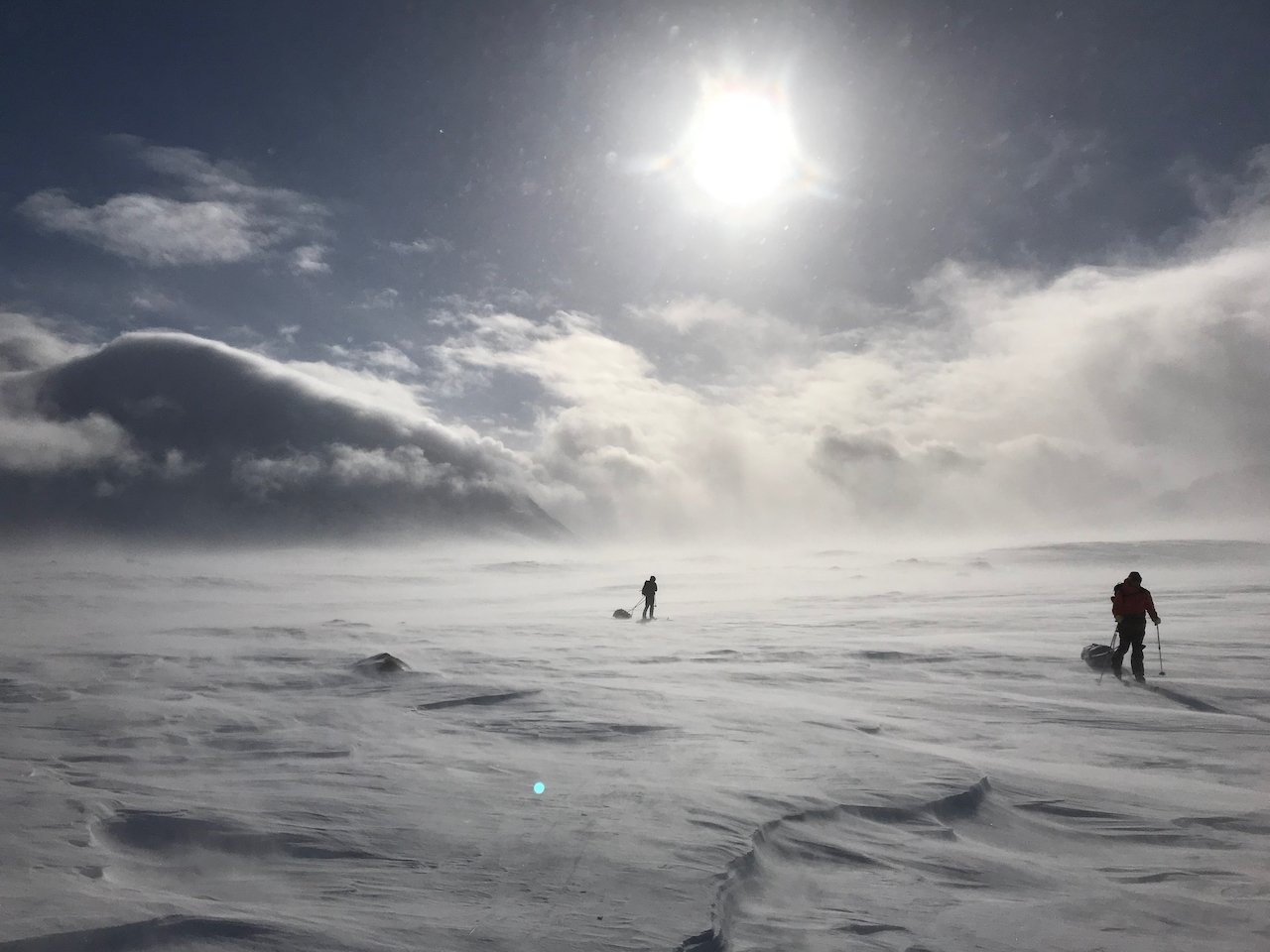
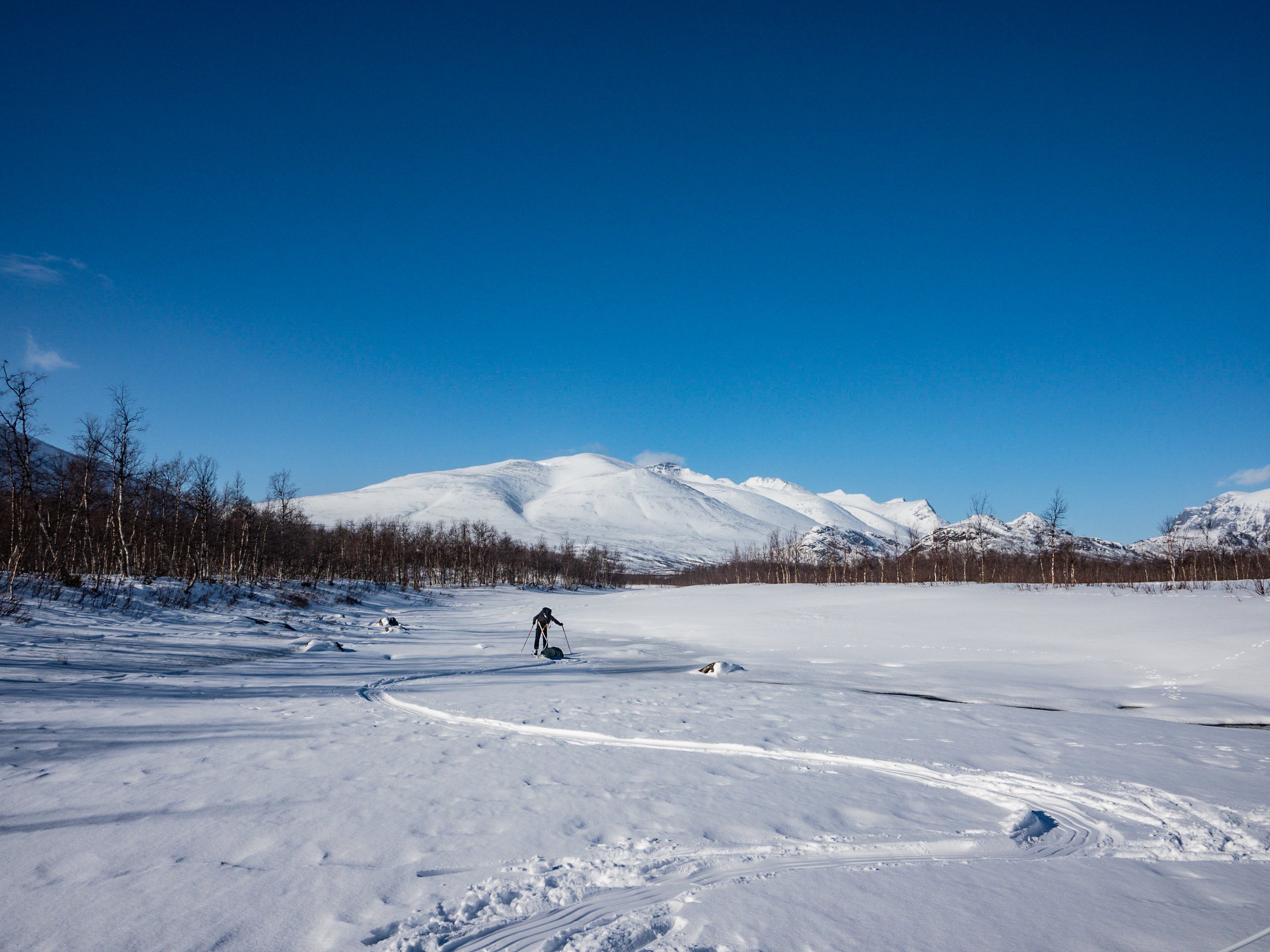
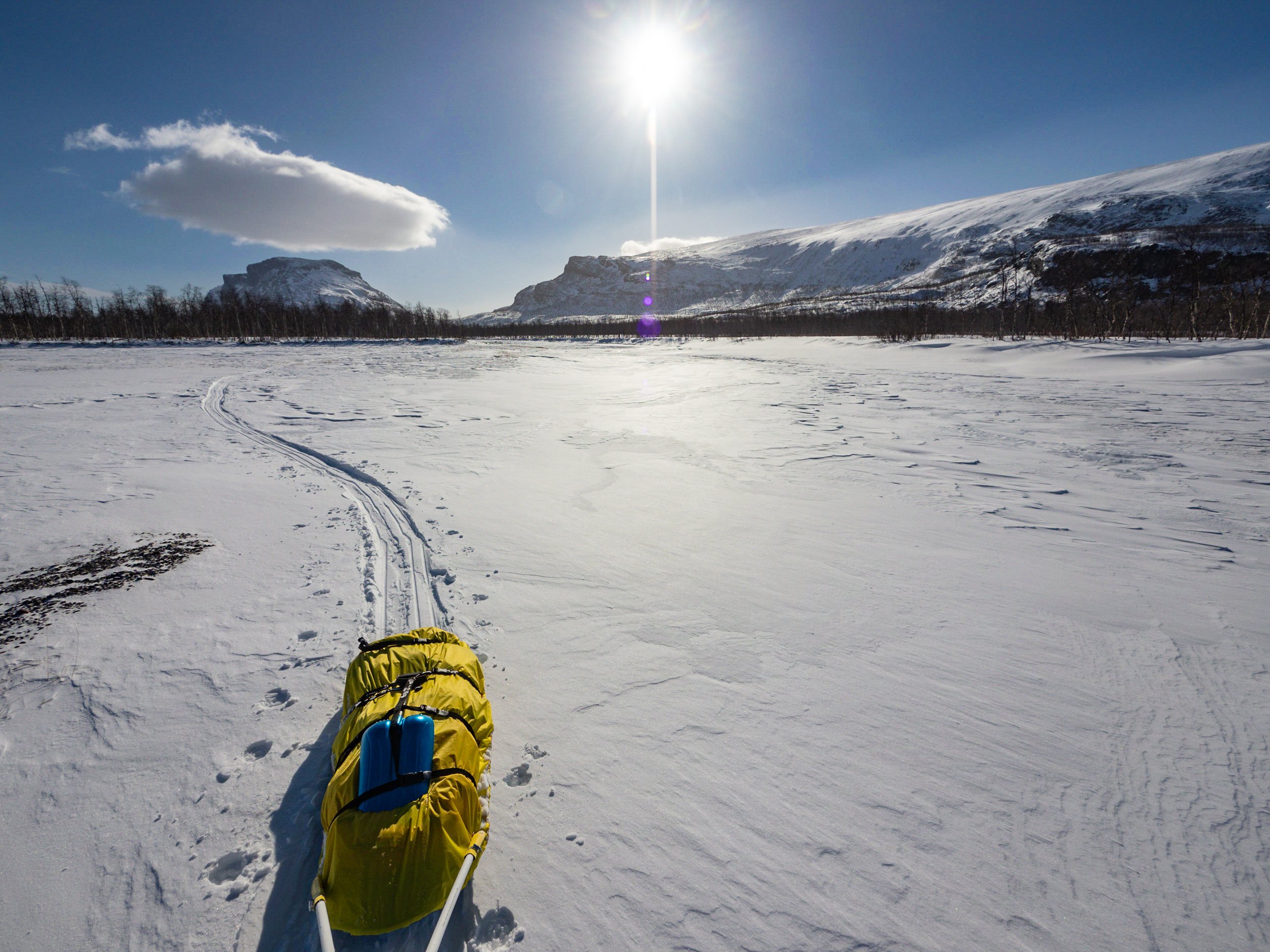
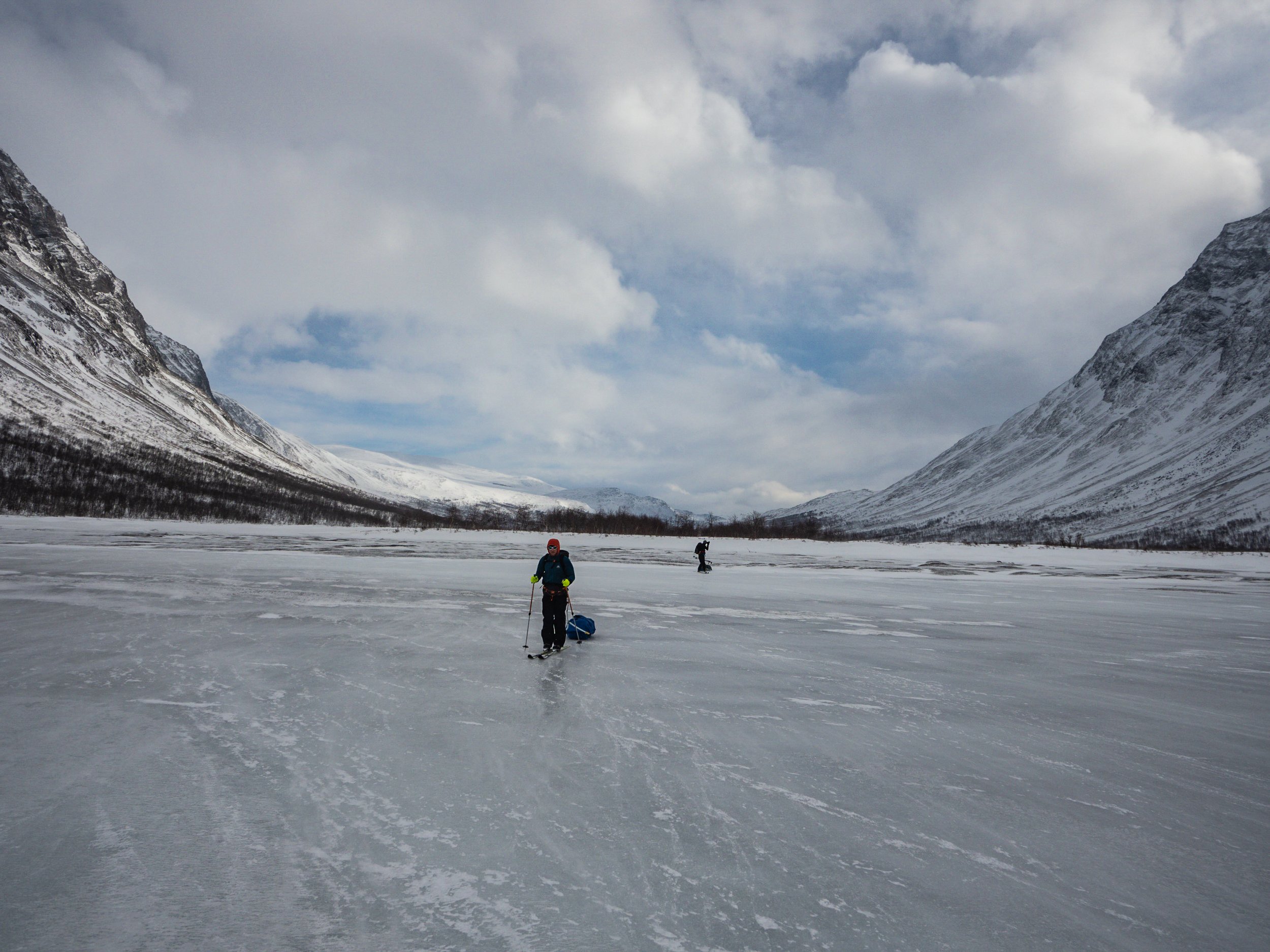
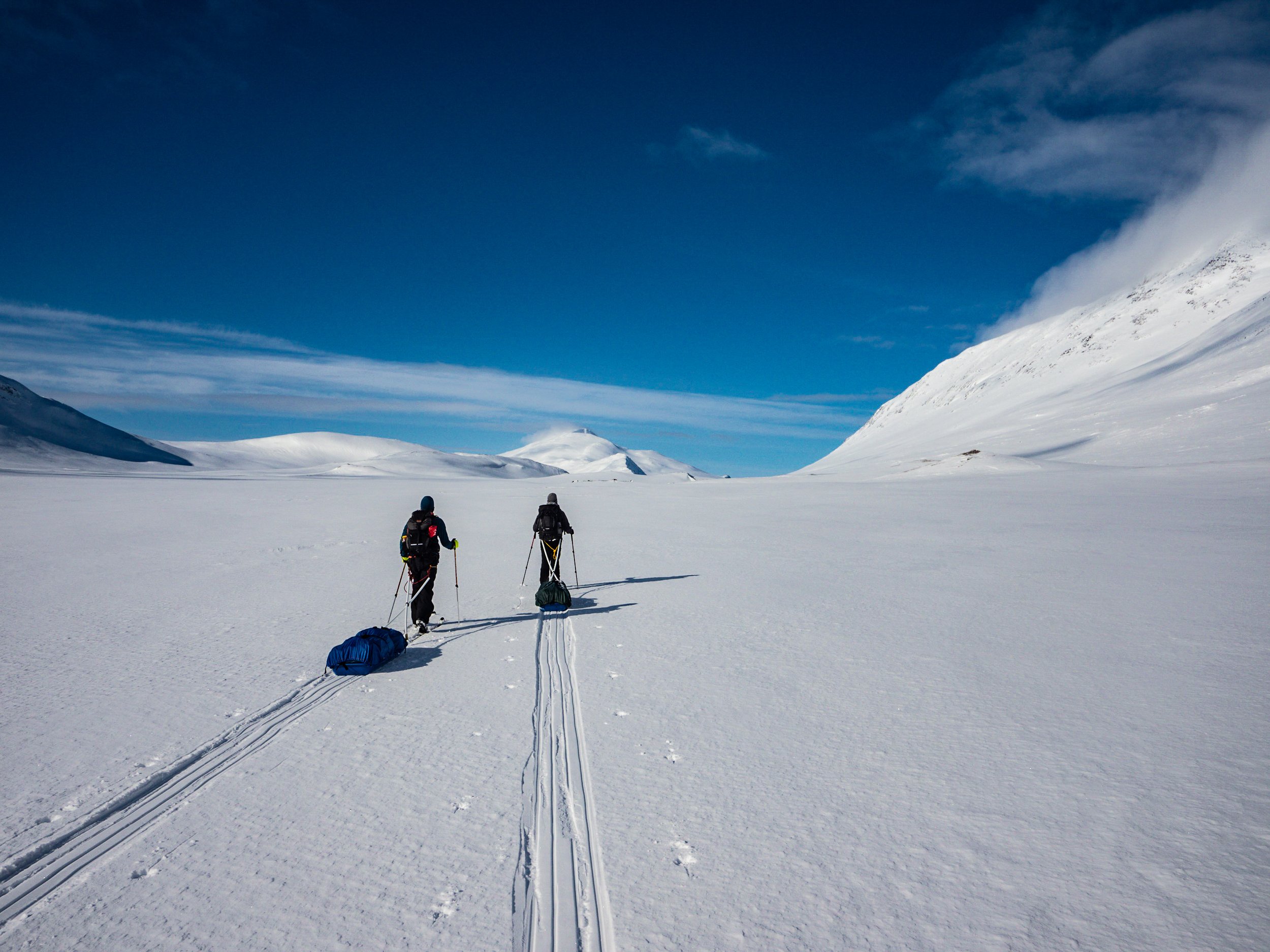
Few places on Earth have no phone and internet. In this connected world it is hard to imagine a place which has no more communication beyond a patchy satellite link. No amenities nearby, no people, no hospitals. Sarek is such a place. A patch of wilderness in northern Sweden, ca. 76degN. Cold and forlorn, you either love it or you hate it. In early 2019, two IT engineers and a lawyer decided to venture across Sarek from south to north on skis, pulling their food and accommodation in pulks behind them. The only assistance available was through an InReach link-up delivering weather warnings by a trusted friend.

2. A walk in the park

Yes, Sarek is a park. A national park. Technically then, it was a walk in the park. The walk in the park started with the coldest day of the expedition with heaviest snowfall, and almost 20 km, mostly uphill. Thankfully, we were the strongest at that point, the energy was not depleted but exertion yet to come. Unfortunately, the pulkas were the heaviest with all the food for 2 weeks.

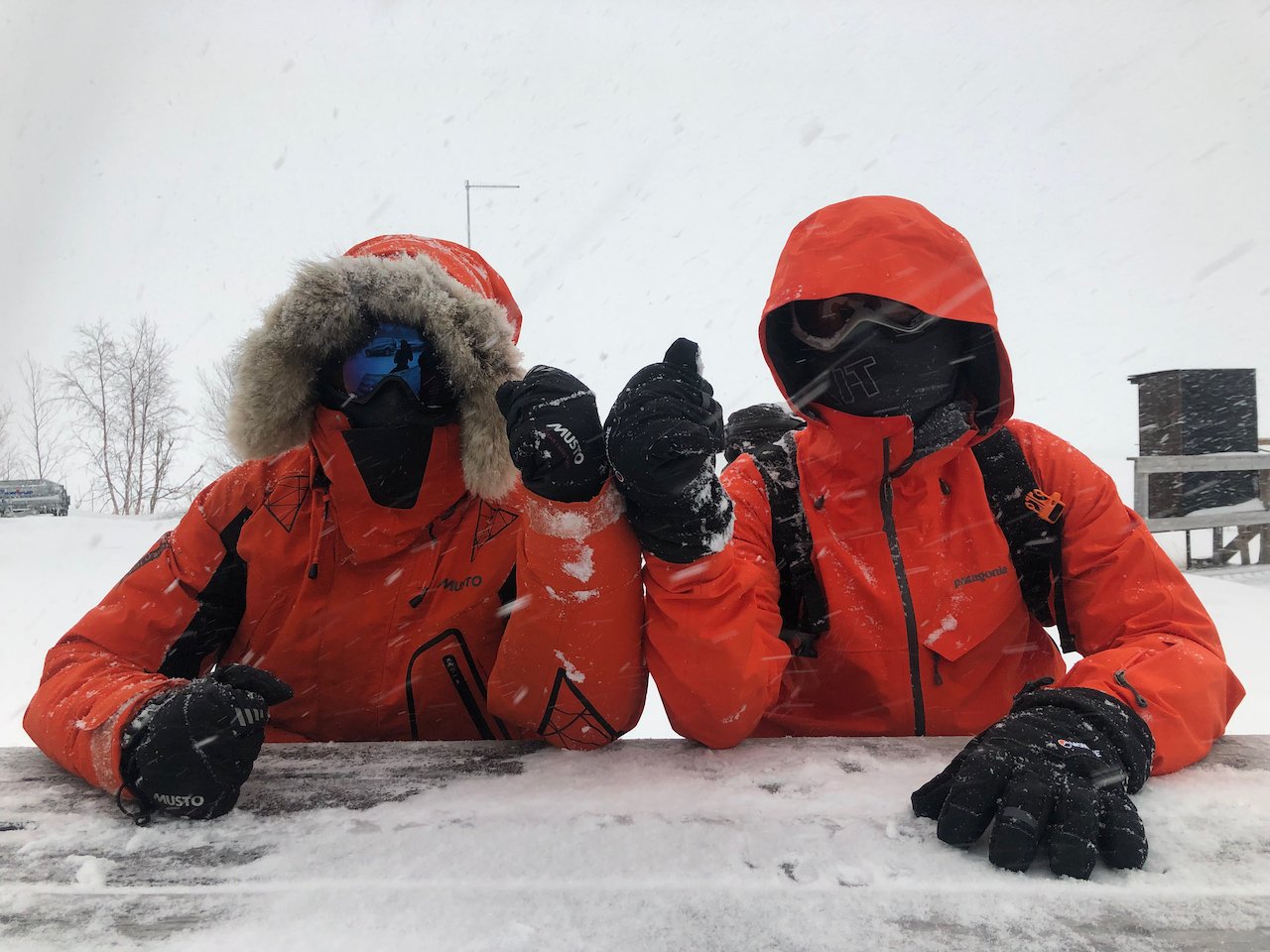
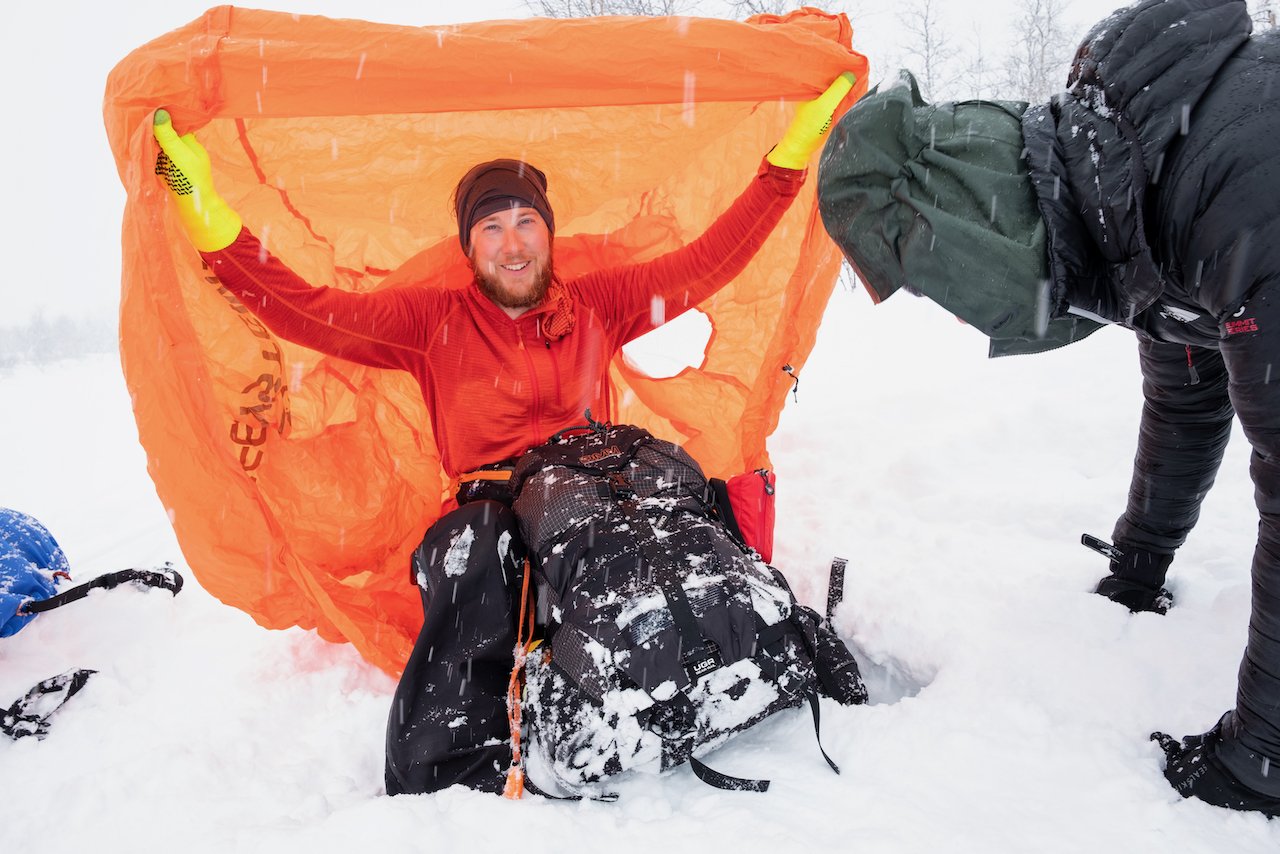
With open wound on left shinbone, nicely duct-taped to avoid further damage from ski boots we carried on, enjoying short brakes for chocolate and tea huddled under a tarp designed to shelter us from the wind.

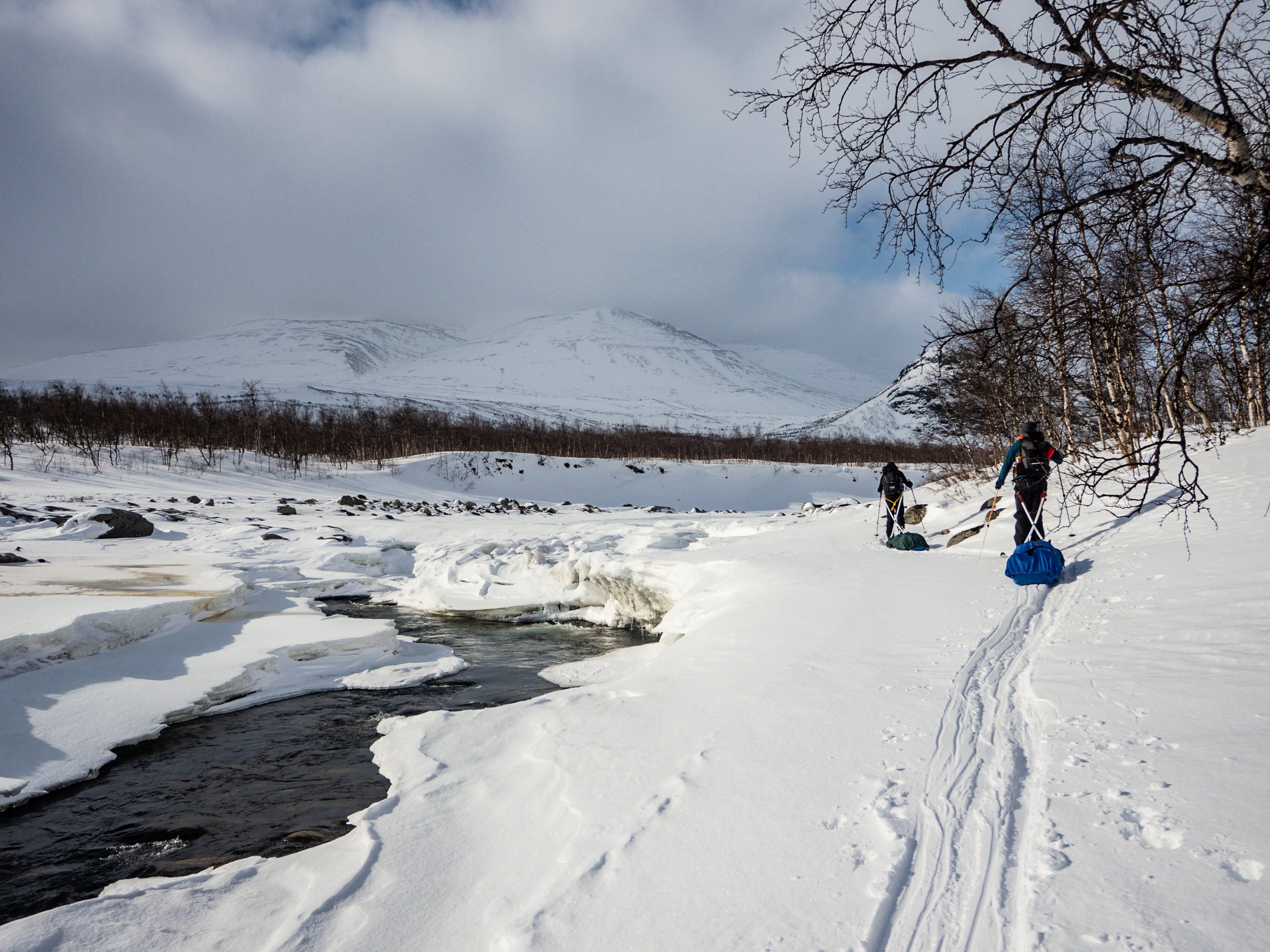
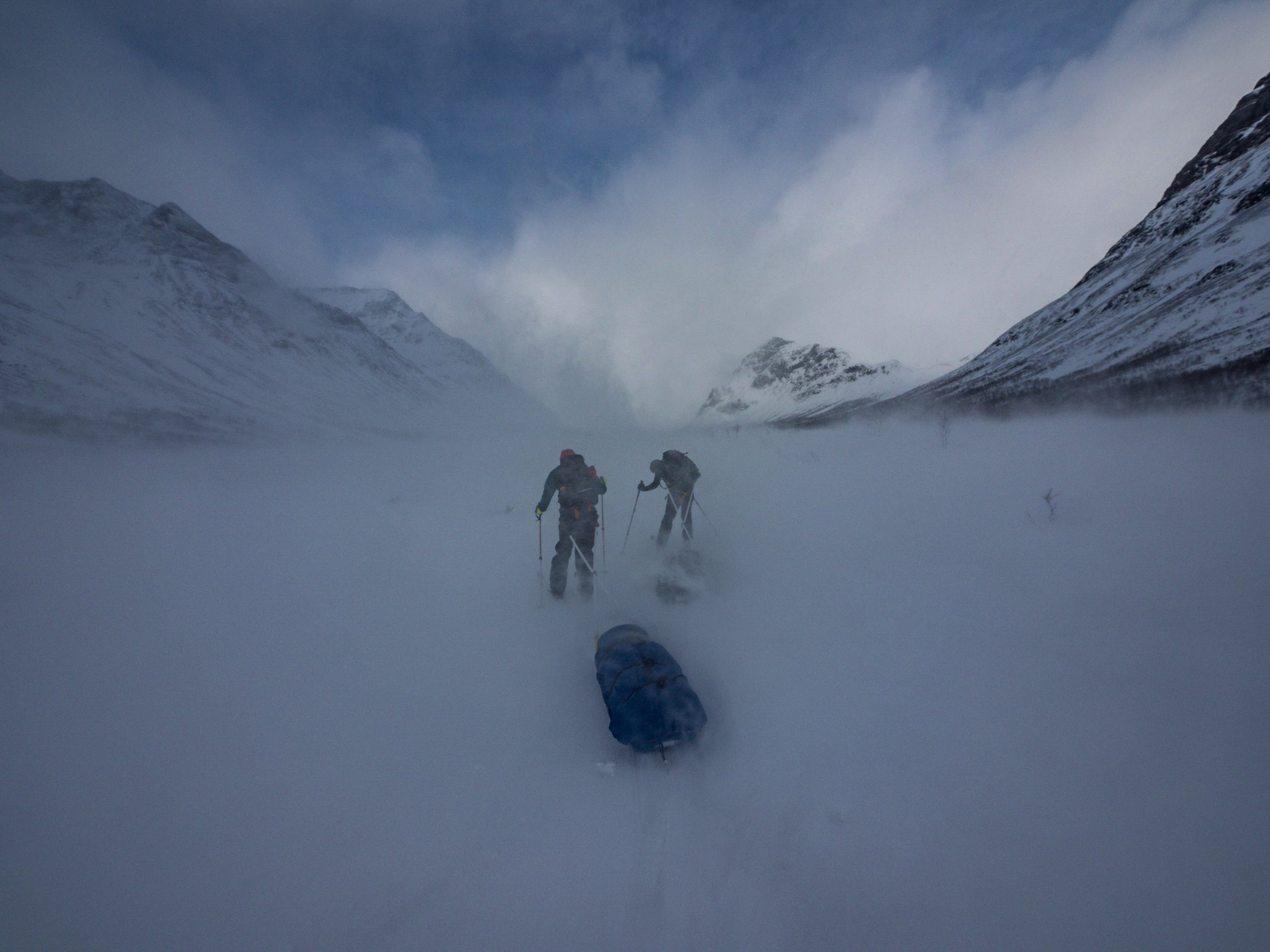
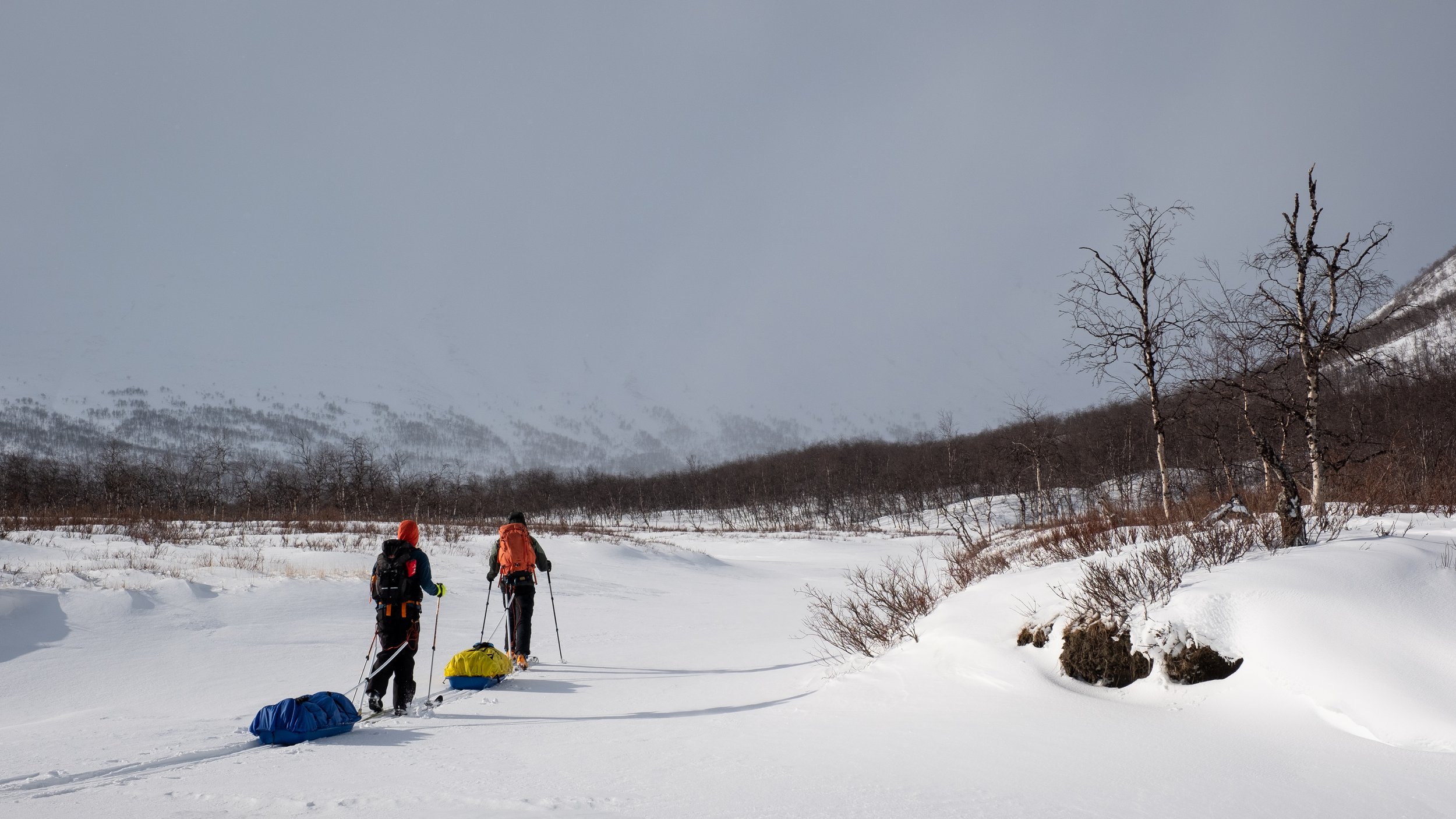
The third day started pleasantly. We were entering Rapa Valley, gliding on skis, following frozen river. The first sign of incoming troubles came from the ground. It was snow, which started to strangely build up under skins of our skis. Then the nature, somehow became quite like if it was compressed by a hand of a nordic giant. Finally, it was inReach: “Storm is coming, look for shelter” texted Dominik. One hour later, seeing our constants movement: “Hurricane coming from the Atlantic, quickly find shelter for the night”, seeing we are still not stopping: “Shelter now” repeated every 10 minutes until our stop at the bend of Rapa river.

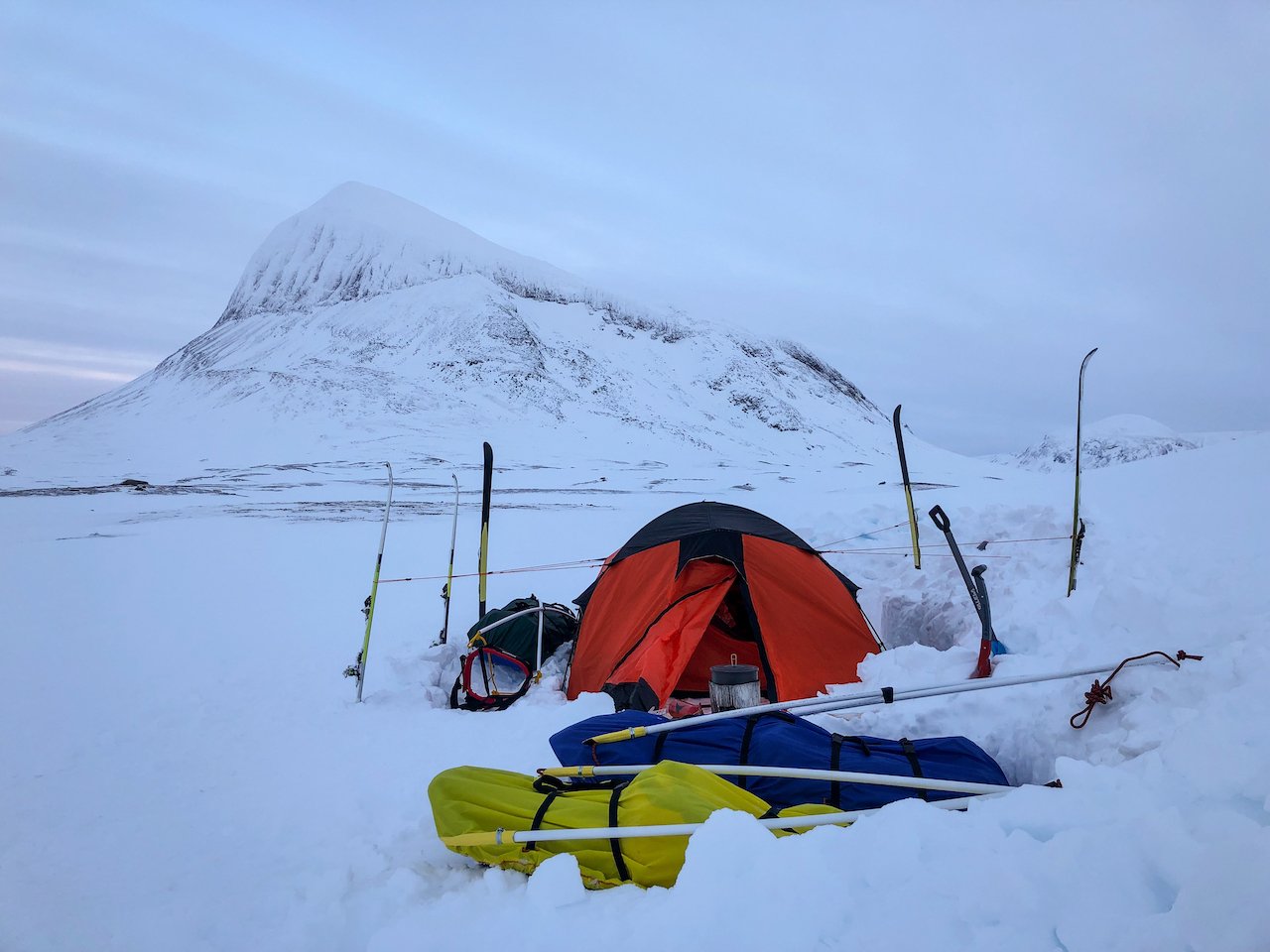
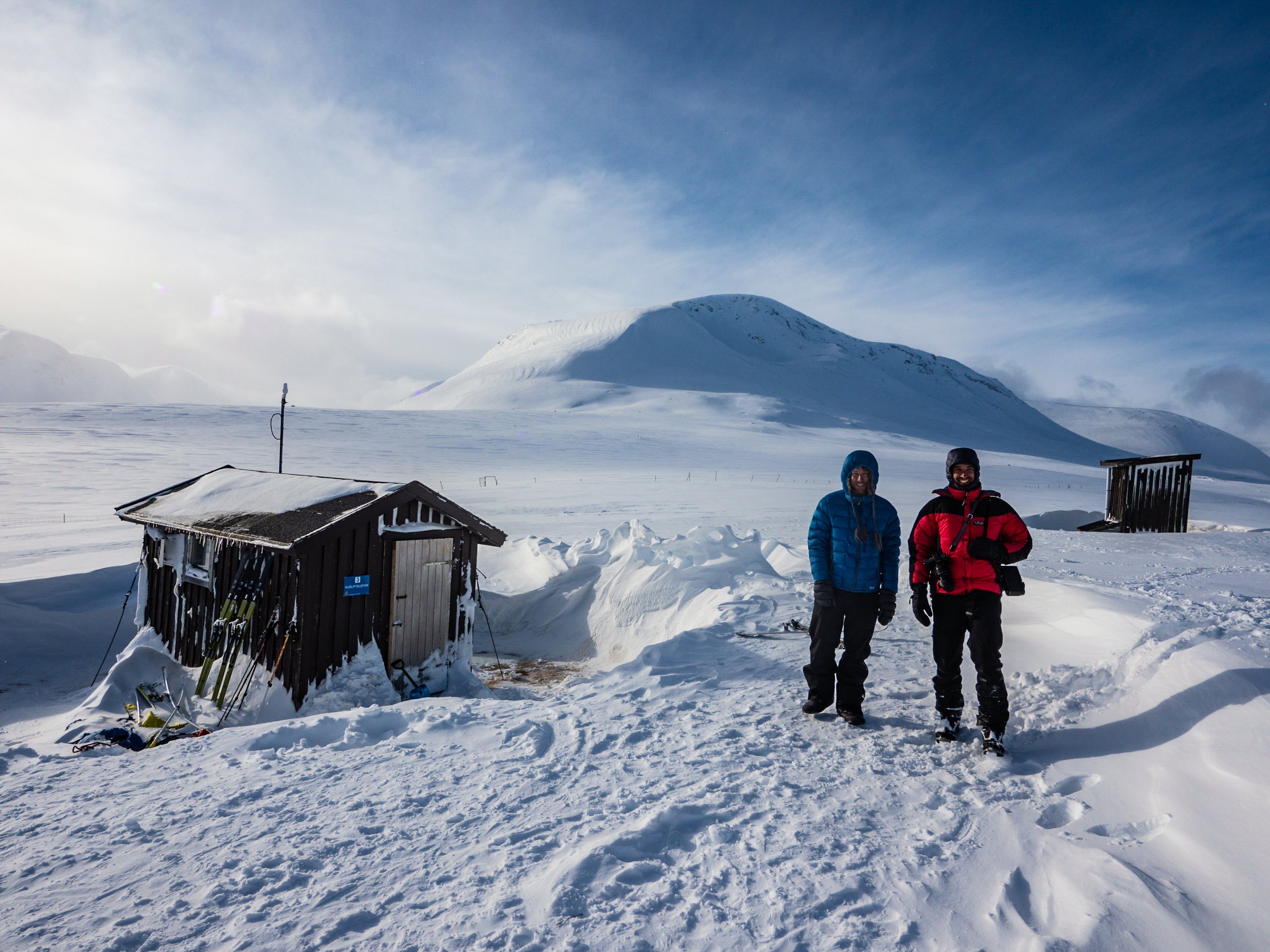
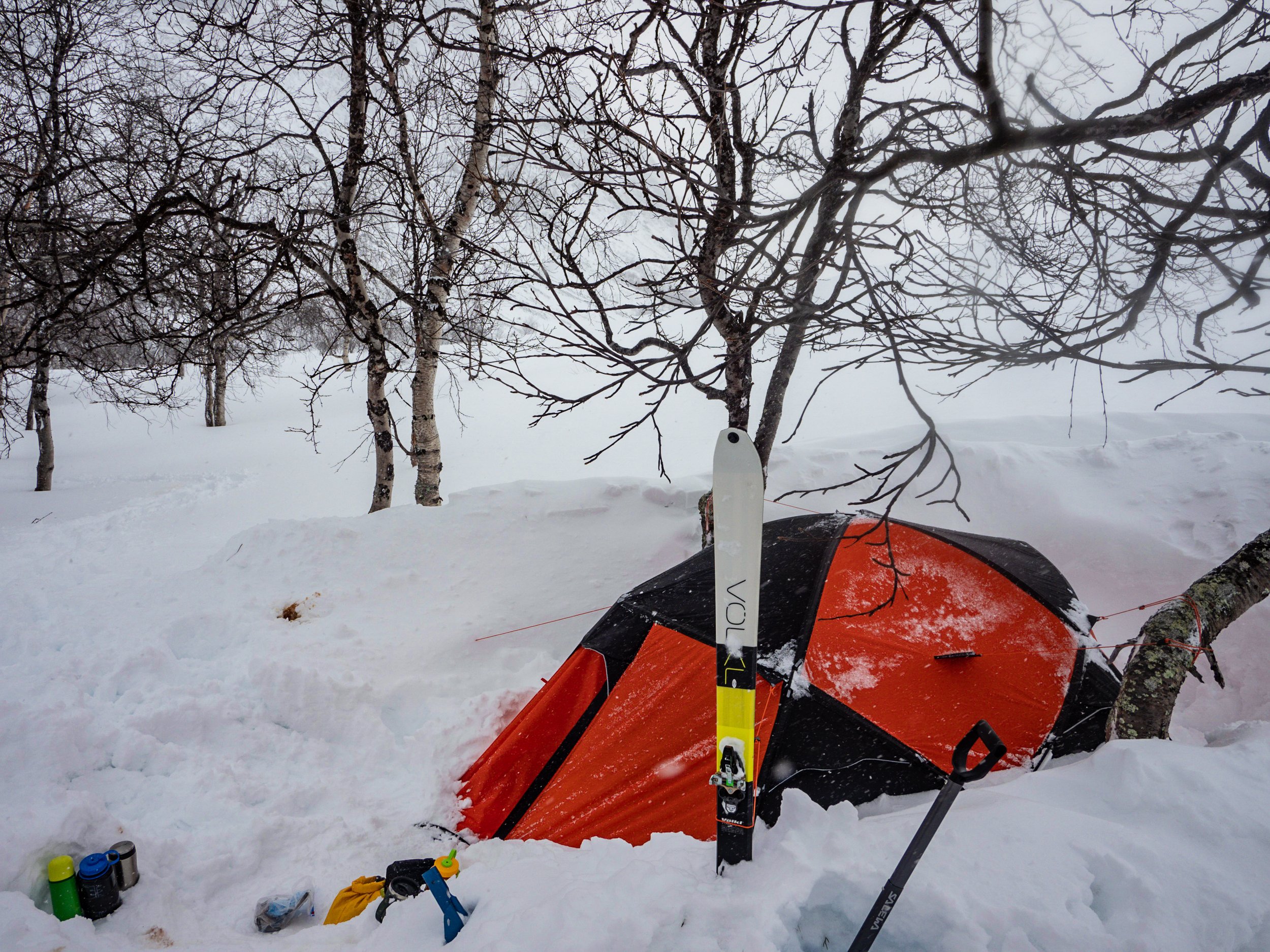
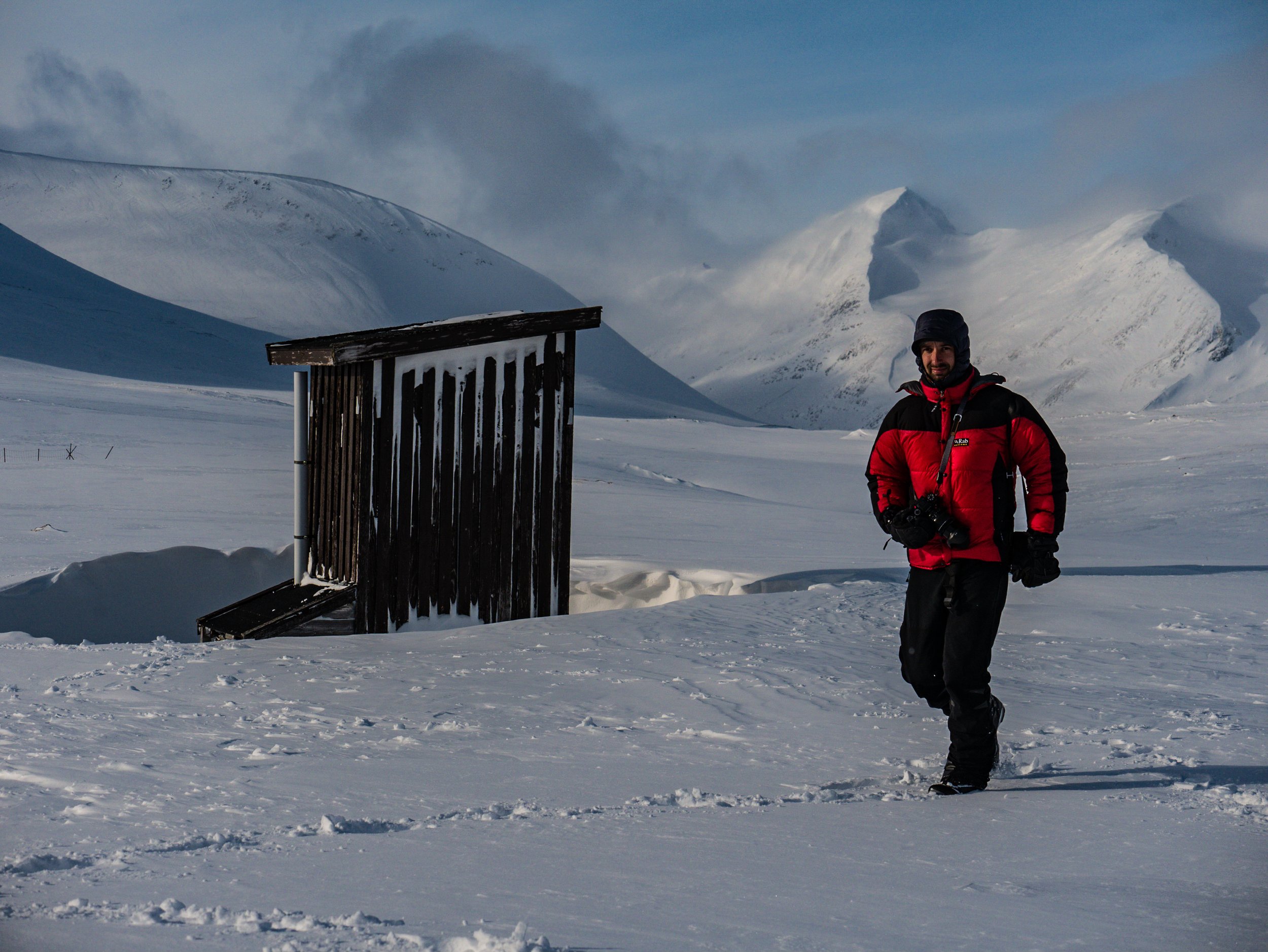
Still without a single blow of the deadly force, which run a ferry ashore off Norwegian coast, we started to dig a hole behind a steel box of an old weather station. We walled ourselves, filled stomachs with food and went asleep. At nigh, the Valkyrie charged through the Rapa valley.

3. The show must go on

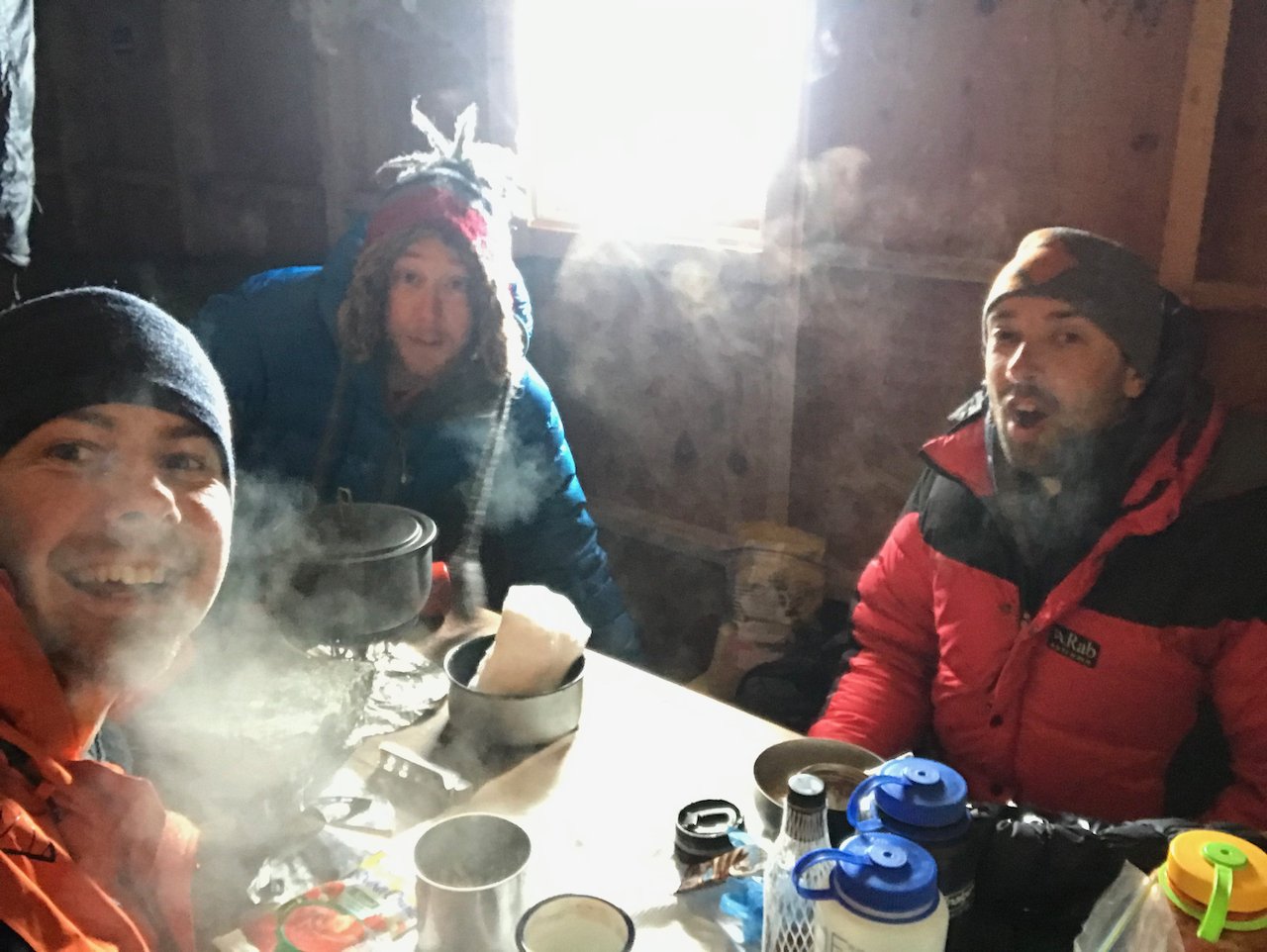
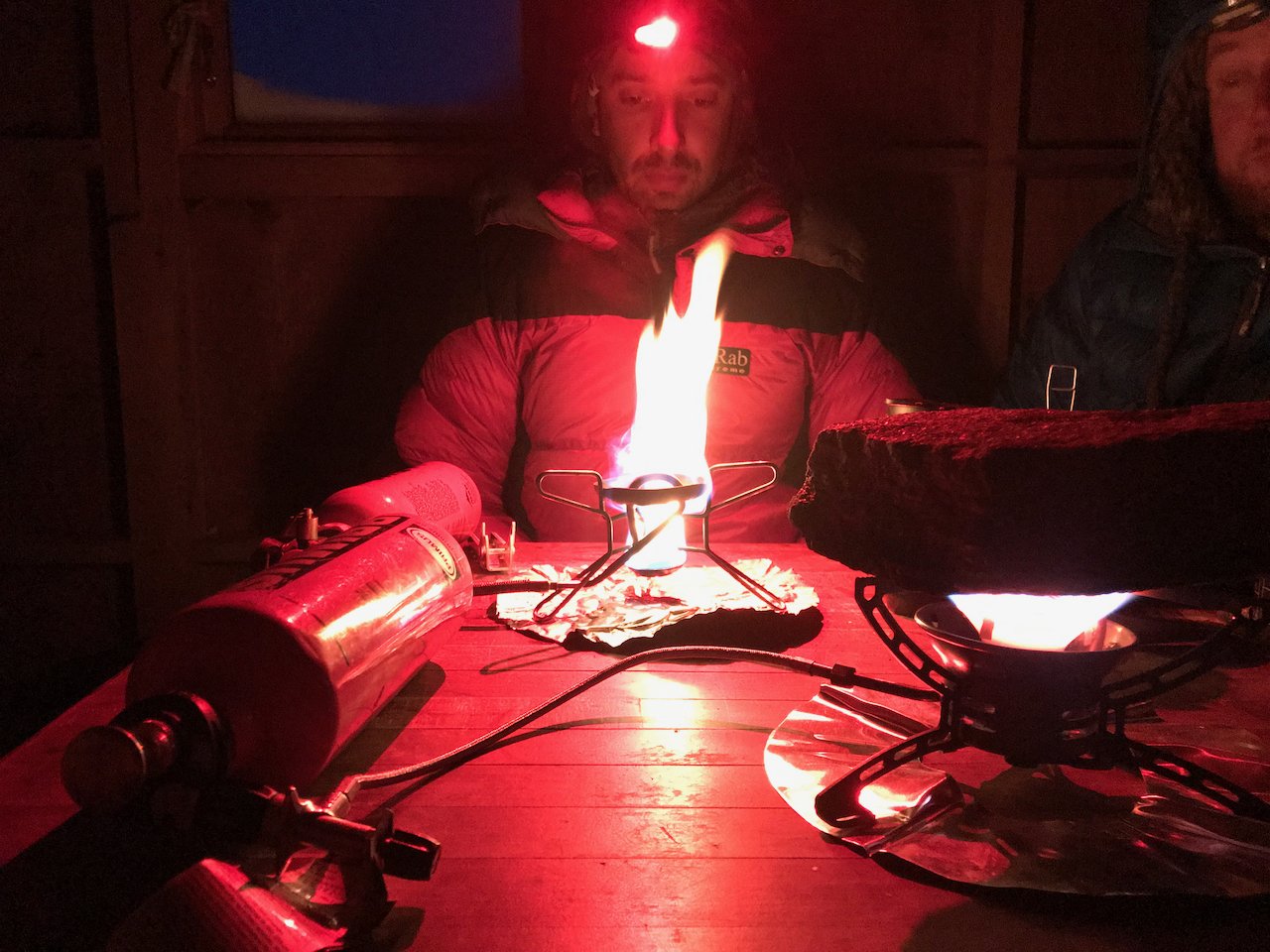
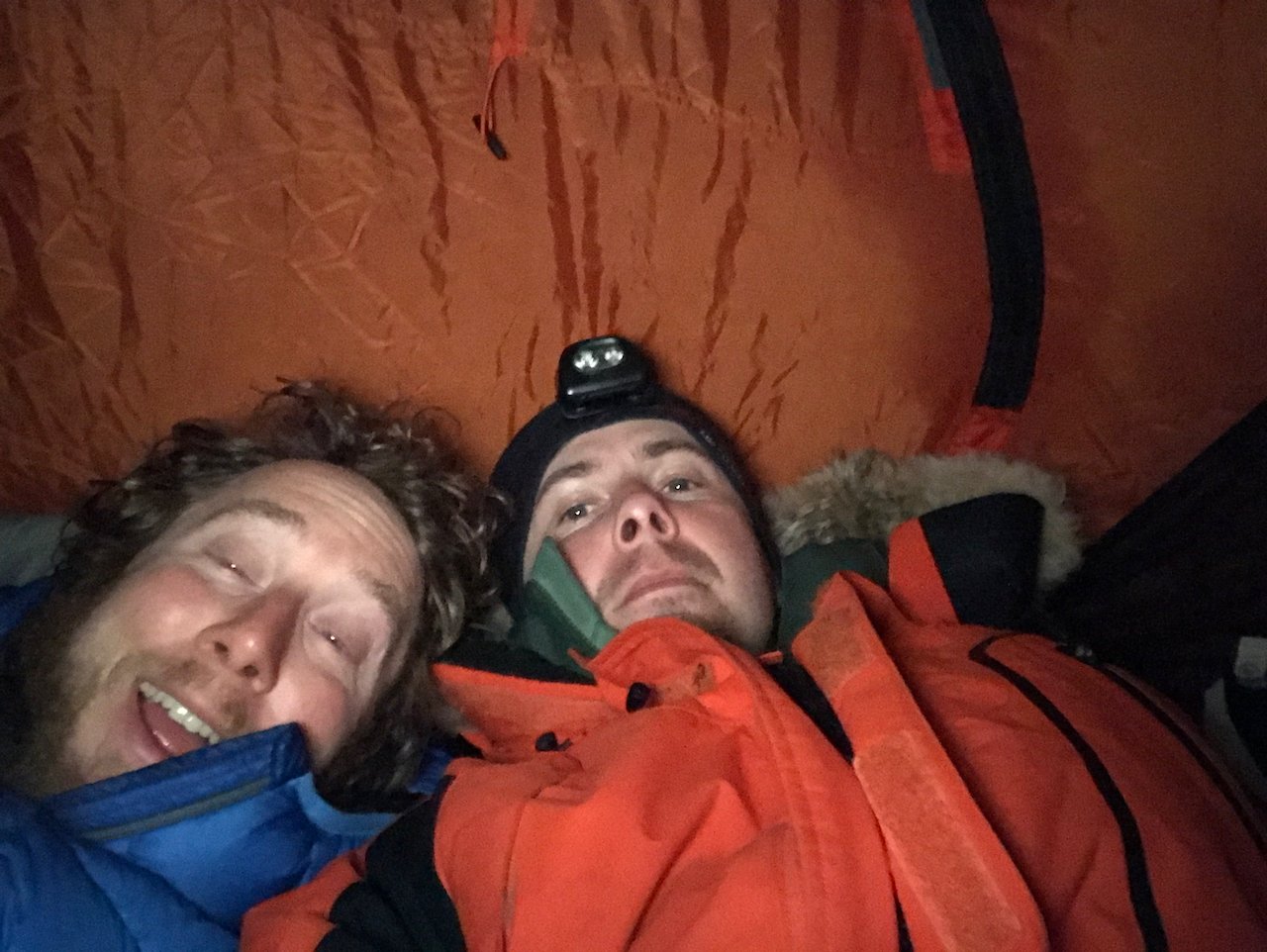
Days and nights followed in the same stormy pattern. With the exception of a couple of extraordinary sunny hours, we powered through the day, heading North, which was against the wind. At midday, covered under a tarp, we had our 5 o’clock, and in the evening we set up a tent where we boiled water on an open gasoline burner for our dried, high calories food rations, and we braced for the night’s outing of Valkyrie in our valley. No, going outside for a relief during the nigh was not an option. However, a wide mouth bottle can create a cosy warmth in a sleeping bag.

4. Rescue

A roar of engines woke us up one night. A surprise in an empty wilderness where no-one is allowed to use ski-doos. A team of two ski-doos came to our tent. Two men, dressed in overcoats so thick they looked like astronauts shouted something in unknown language. Seeing confusion they repeated in English. They were Sami, who are exempted from limitation on motorised vehicles in Sarek. They were looking for a skier who went missing. Learning we have not seen a man they were looking for, they continued into the night leaving us with a conviction that Sarek must be respected.

5. The finish

14 day long ski journey ended at the great Akka hut were, despite hut warden’s objections to our smell, we went directly to a sauna. From there, we took a bus, train and airplane to get to our homes. Each vehicle we used to get home underwent some kind of accident or malfunction as if Sarek realised it treated us too kindly, and wanted to give us a farewell warning.

6. Credits

This expedition was planned by Greg Annandale, who ventured into the Sarek for his third time. Greg was accompanied by Alex Thomas, and Wojciech Jarosinski.

We started at Saltoluokta, then headed to Aktse, from where W and N through Rapadalen. We celebrated Greg’s Birthday in Mikkastugan and negotiated our way to Akka, from where we took the bus S to Saltoluokta.

Text: Wojciech Jarosinski
In Darwin's Footsteps

Designing the perfect photography expedition to Tierra del Fuego.

1. In the beginning there was fire:

Tierra del Fuego - the Land of Fire.  Right from the get-go, when Vertical Shot Expeditions, an adventure-driven expedition company for aspiring and professional photographers, was nothing more than a few scribbles on a cocktail napkin, Tierra del Fuego was at the top of a long wish list of dream destinations. And if you’re going to forge a dream into reality, you’re going to need some fire.

2. The yacht, the crew and our gear:

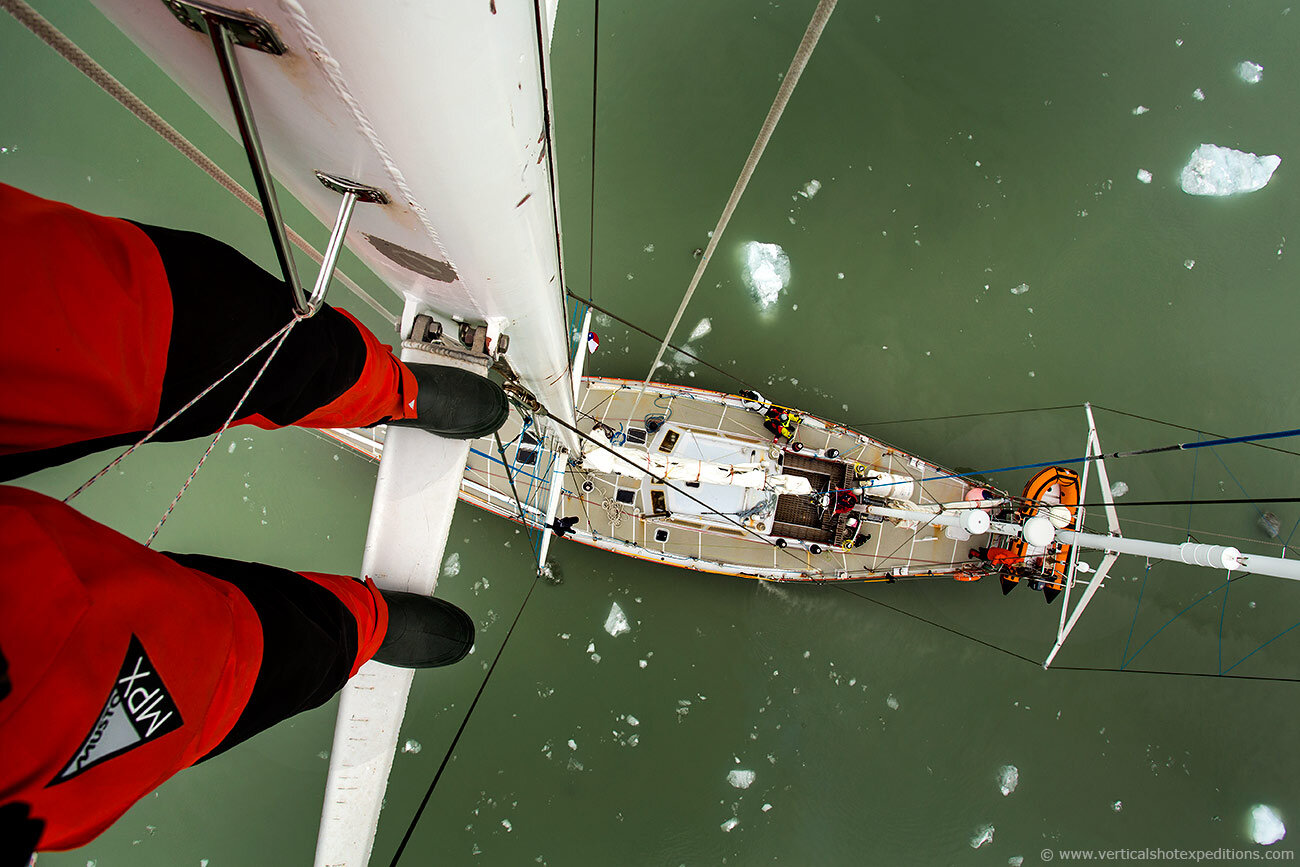
There is ice in and around Cape Horn, even in summer. This meant we needed a heavy-duty yacht. But she also had to be relatively nimble as the small inlets and bays along the Beagle Channel are full of shallows in the form of glacial deposits. The answer came in the form of the sleek, 68-foot, steel-hulled Selma, not only the perfect yacht for the expedition, but also the world record holder for the southernmost sailing in human history. So we had the boat, now we needed a crew. Correction. We needed a crew made up of uncomplaining, adventure-loving photographers, who could be relied on to hold their stations in any conditions - even if that would cost them that once-in-a-lifetime shot.  We took a hard look at our previous participants , handpicked our top candidates and informed them of this opportunity – and no one turned our offer down.

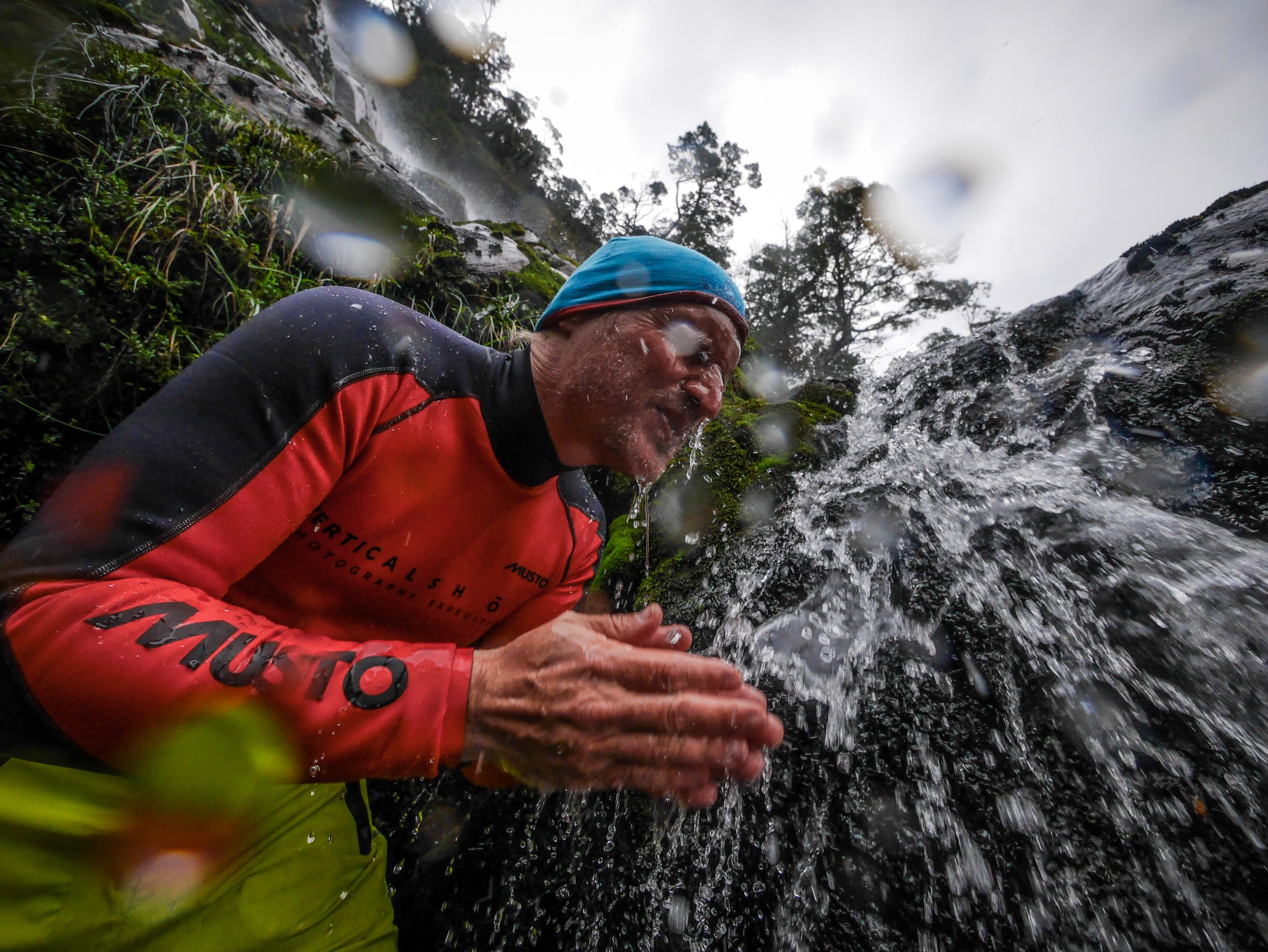
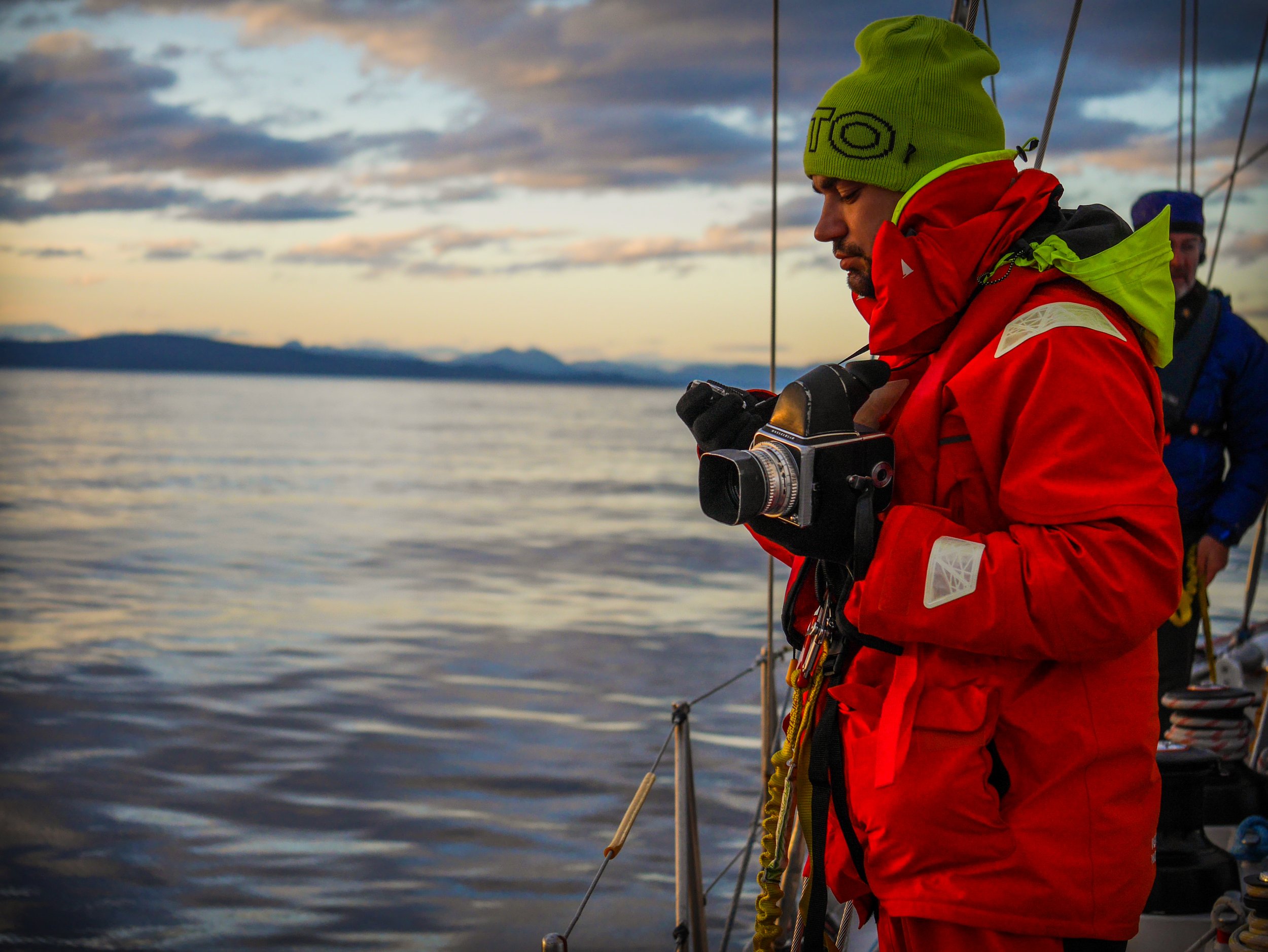
Gear selection and preparation was another challenge. Considering the weather in this part of the region is extremely unpredictable, and it is not rare to experience rain, wind, sunshine and snow in a single day even during the summer months, it was vital that we were prepared for all weather conditions. Once you step aboard a sailing vessel in the Southern Ocean and there is little chance of being either warm or dry until you reach port again.  With MUSTO’s range of sailing  gear we were sure we would be in good hands Add to that ice, mud, salt and the wear and tear from handling the boat under sail and during anchoring, and it’s clear the gear had to be hard-core, dependable and it had to last. And since the weather was guaranteed to be truly miserable at least part of the time, we begged MUSTO to outfit us against the elements. They didn’t disappoint.

3. Slingshot around the Horn:

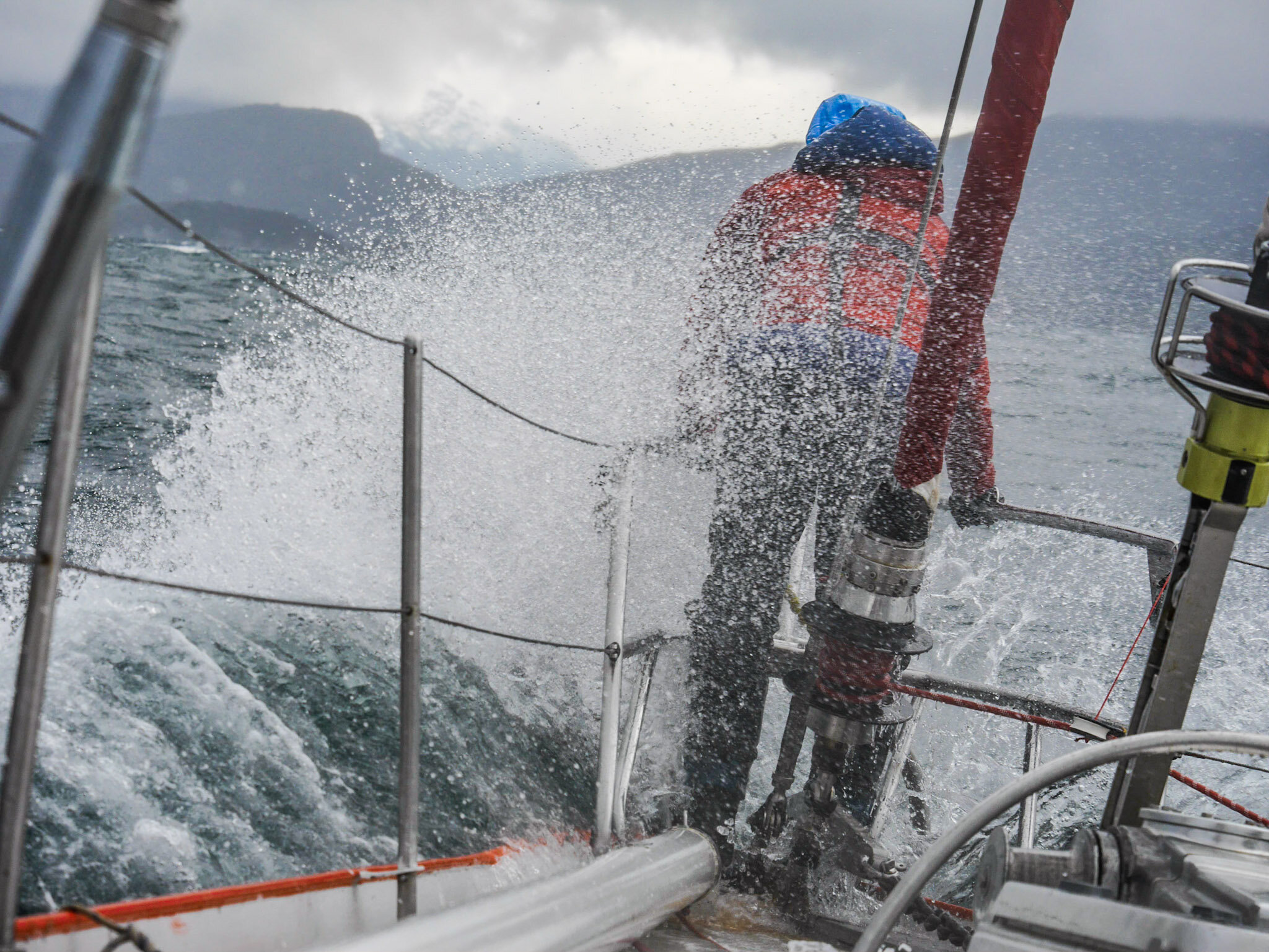
All sailors worth their salt want to sail Cape Horn. It’s the stuff of legends - a perfectly constructed threat of wind and waves, current, and rock. It’s also the largest maritime graveyard on earth. In addition to the rocks, the winds and the waves, the water itself is so cold that most people would survive less than 15 minutes if swept overboard. With reports of an impending storm, we did an overnight run from Port Williams, pushing hard for the Horn to stay ahead of the weather. By the time we entered the notorious Drake Passage, many of us were tired, cold and starting to feel very, very seasick from the 6m waves and 50knot winds. But as we cruised past Cape Horn, the sun came out as if on cue and lit up the island. It was almost as if someone knew we had a boat full of photographers.

4. Following in the footsteps of Darwin’s HMS Beagle:

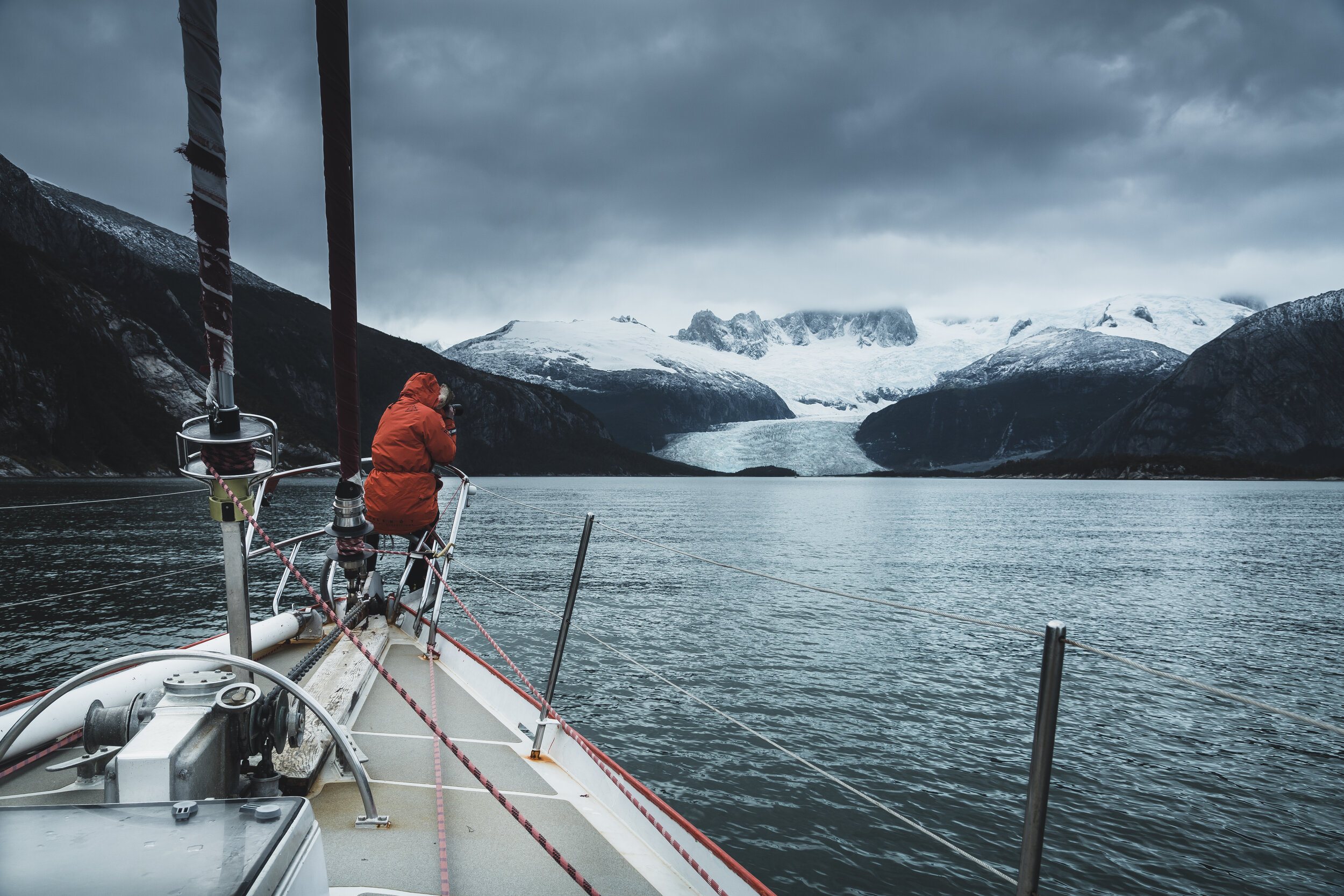
With the Horn “conquered”, our next aim was to head out in search of places to hike and photograph. The western arms of the Beagle Channel are still chock-full of glaciers – something we were all very keen to photograph. With global warming threatening ice all over the planet, glaciers everywhere are rapidly disappearing. The idea of photographing scenes that could be gone in a matter of years after a millennia of existence was very compelling, not to mention beautiful. From a photographer’s point of view, this opportunity was priceless, from a sailor’s point of view however, unpredictable blasts of wind made both sailing and mooring decidedly tricky.

We sailed westward into the wind along the Northern Beagle Channel, overnighting in the gorgeous little bays of Yendegaia and Caleta Olla. We finally got to stretch our legs and put our cameras to use photographing the stunning views of the Beagle Channel and hiking through a labyrinth of bog and forest. Occasionally heavy winds played havoc with our schedule but flexibility is key when running an expedition, so we consoled ourselves with bonfires on the beach and consuming slightly ridiculous amounts of Argentinian steak and Malbec. 

5. Chasing Ice

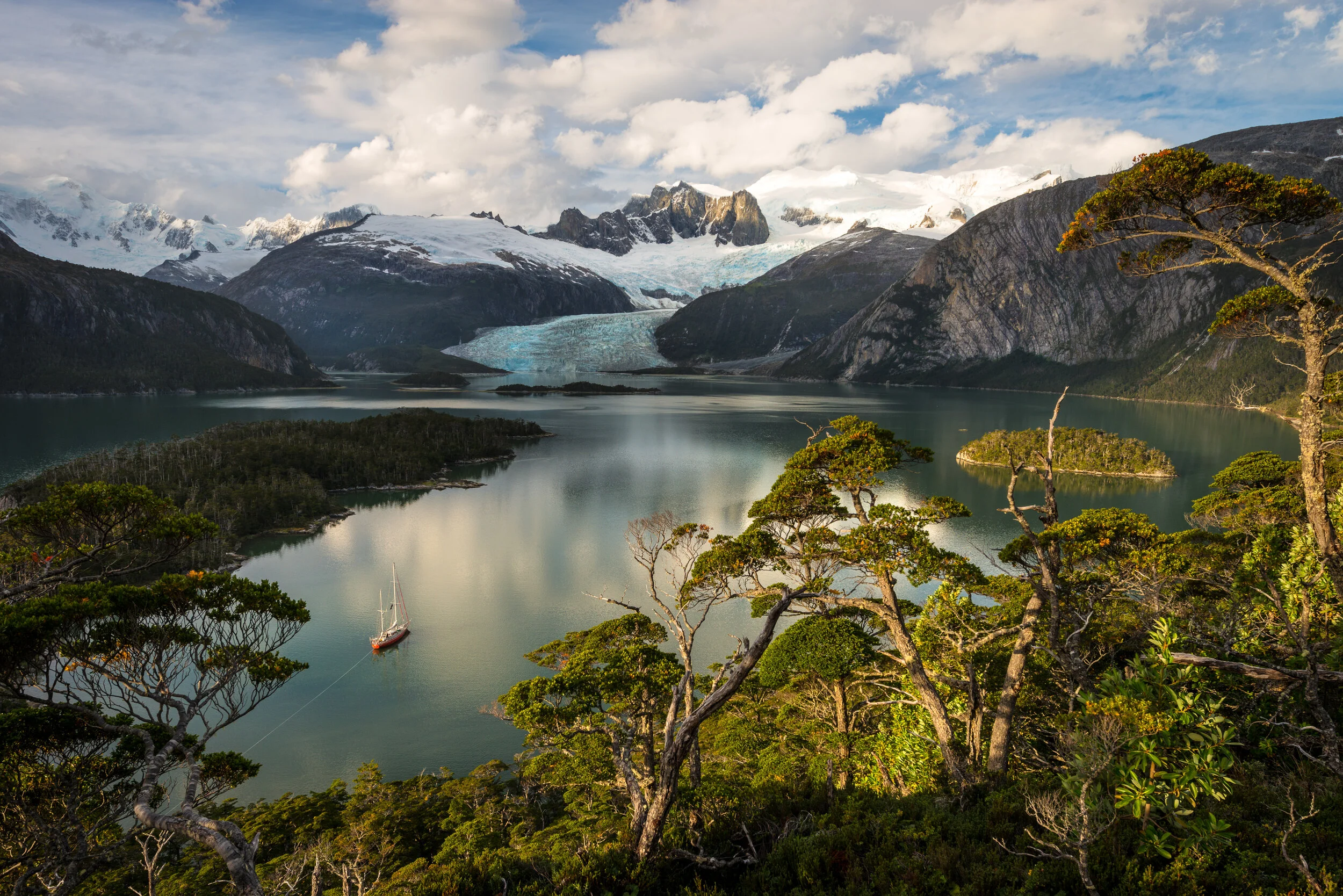
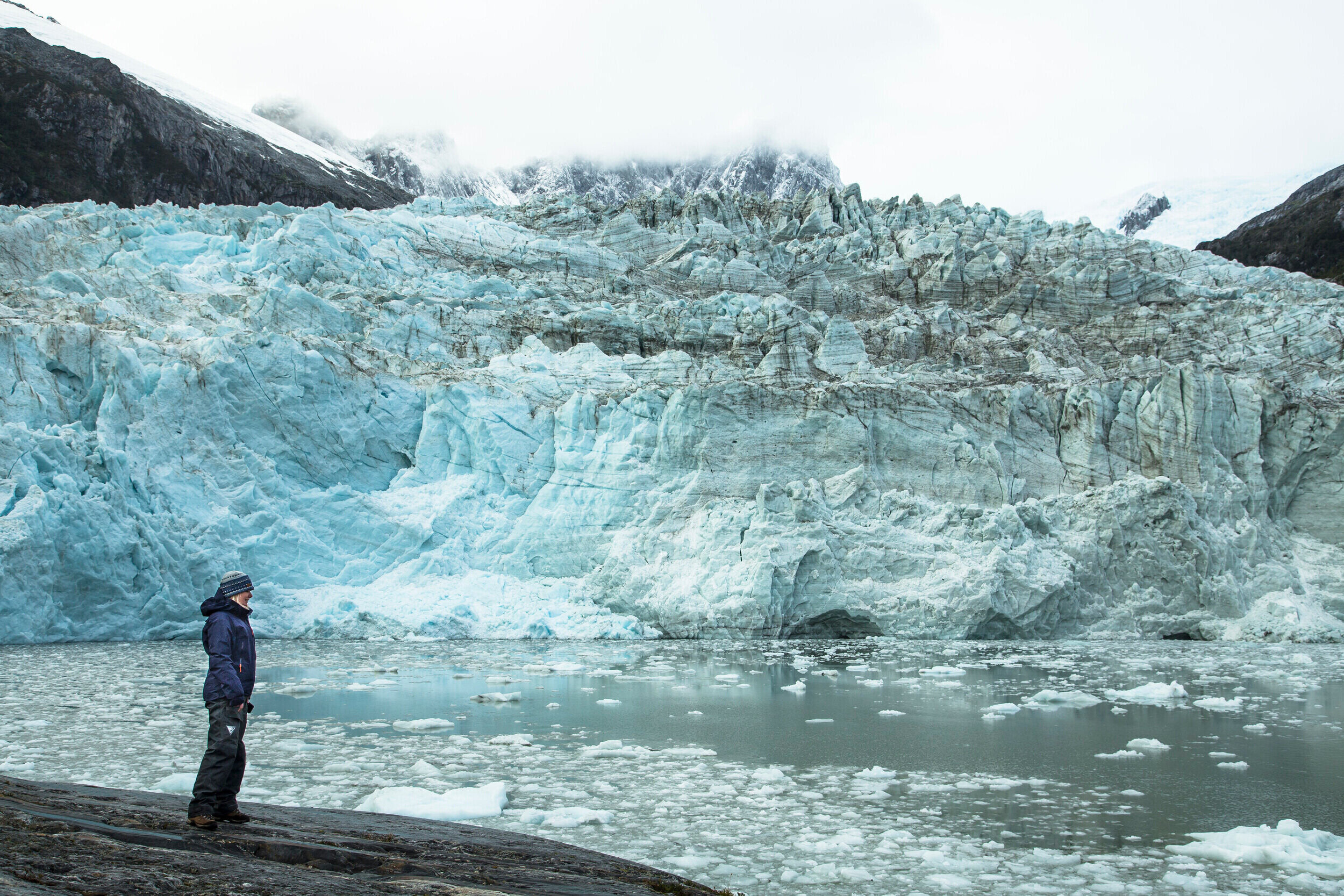
In Caleta Olla we spotted our first glacier but wouldn’t get really close to one until we pushed onwards and up into the Seno Pia fjord. It was worth the wait.  Seno Pia has a glacier in almost every valley – massive walls of pale blue ice. From the deck of Selma, we enjoyed front row seats as the glaciers cracked, grumbled and calved bus-sized chunks of ice into the bay. Over the next couple of days we did numerous excursions with the dingy, landing along the outer edges of the glacier to explore the surrounding landscape.  At night we had to split up into anchor watches to ensure drifting growlers would not catch our anchor chain and those lucky enough to catch some shut-eye fell asleep to ice flows scraping the side of the boat .

6. Deserted but not alone:

When we got bored of ice we turned our attention to the variety of marine life found in the channel.  While this part of Tierra del Fuego is mostly untouched wilderness with no human settlements or infrastructure it does abound with wildlife. Sea Lions basking in the sun, dolphins chasing along our bough and humpback whales cruising the channel were a constant sight.

7. All good things must end:

After almost two weeks exploring the Northern and Southern Arms of the Beagle Channel, we returned to Puerto Williams to check out of Chile.  A bit bruised, a bit tired and with more than our share of unwashed clothing, we made it back to Ushuaia for a final farewell dinner of king crab.

Text: Wojciech Jarosinski